
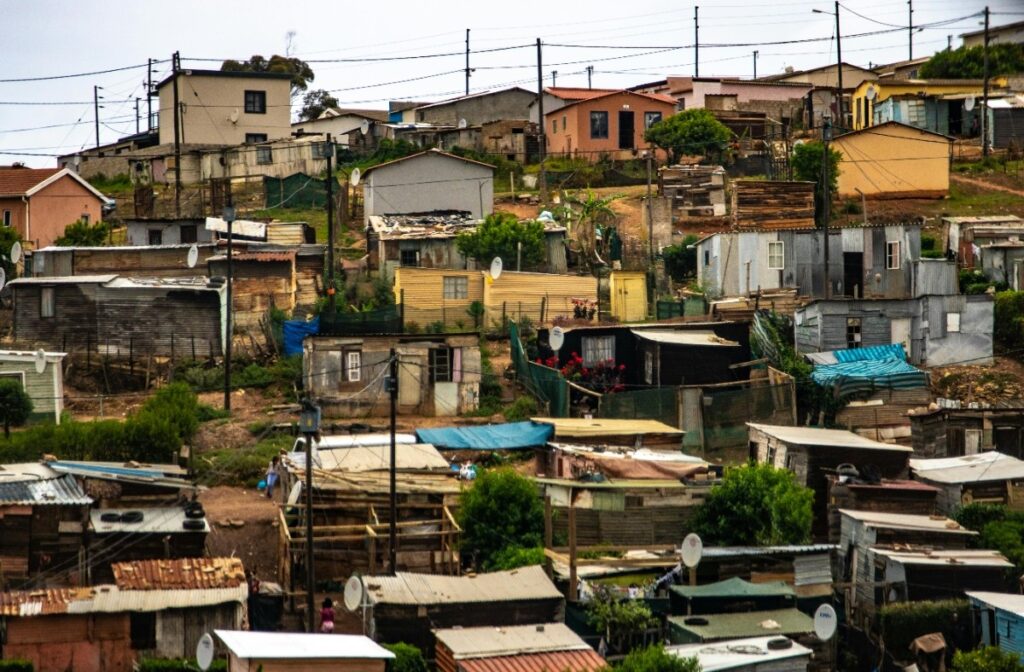
Environmental concern should be made public in ways similar to voter sensitization and public education on the dangers of HIV/AIDS. This brings to light our continuing problem of environmental degradation and the potential steps that could be taken by individuals to curb the ongoing problem. We don’t care much because we don’t know much. We do not care for what we cannot see just as we do not care about the floods when there is no sign of rain. Communal responsibilities are becoming obsolete and it might seem that there is no one to be held accountable for the ongoing crisis. The government should be accountable they are to make policies and enforce them, all of which are of key importance. Solutions to such a problem are hefty ones that require big changes in government policy nevertheless it is the every day Kenyans who are feeding the system that creates this problems through consumerism and want Industralization is innevitable for our growth as a country. Industralization at a basic level means we have access to variety, access to new and to many products useful to us. This leads to the issue of disposability, a vice less mentioned in our modern setting.
Cheap is disposable since it is of little value. Evidence of this is what we see in the mitumba industry. General second clothes are getting cheaper and more accessible to the average Kenyan. As consumers we buy even without a need for buying, and the over supply of the already concentrated goods puts pressure on the landfills and rivers they litter. The fashion industry has always played a key part in global pollution producing about 10% of the worlds carbon footprint. With Kenya becoming the worlds used clothes dump, there is a need for people to reduce the purchase of clothes they can throw away and put an effort into quality that lasts longer. It is not minimalist it is sustainable. We should strive to making labor worthwhile. Being more intentional that we do not overproduce, oversupply and discard.
The sustainable lifestyle pours into our plastic usage. Buy products with less packaging,buy metal water bottles,use higher quality kitchenware, plastic is bad for the environment and over consumption of it should minimized. Maybe that would do but by doing that we forget that whole industries like the medical industry survive on plastic usage. Forgetting that two liter sodas come only in plastic bottles. Easy to acquire and good for packaging. Creating alternatives to plastic would be much probable way to solve it but we do not have any. Taking care of individual plastic waste and consumption would suffice. With proper channels to recycling that have been set up by major companies like Polyafric industries and pure planet recyclers. Sensitizing the people on their existence for a change of attitude would suffice.
Analysis of demography shows that people in higher income areas have a higher concern for the environment than those in lower income areas. In a research from the MDPI journals on 22 October 2021 “Most respondents expressed willingness to switch to reusable alternatives if provided with financial narratives.”With 40% of Nairobi residents living in slums this poses a great challenge. Matters of the economy dictate a great deal of peoples response to environment concerns. The knowledge of what is sustainable living, who is responsible, how does it affect the environment and how does it affect the individual has a greater impact. In a 2001 paper, Sutton says Attitude is a valence response towards performing behaviour . With a changed attitude we can reduce littering, live more sustainable even with reduced income and care for our environment, immediate, local and national. Informed and capable individuals are more likely to make choices that reduce waste and pollution, lower carbon emissions and conserve limited natural resources.
“Pushing to know how we can inspire new narratives about local products and techniques that champion sustainability as well as prosperity.” – Victoria Onna, August 17, 2017
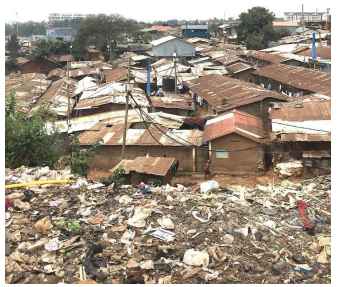
Grain of rice project/pause for perspective
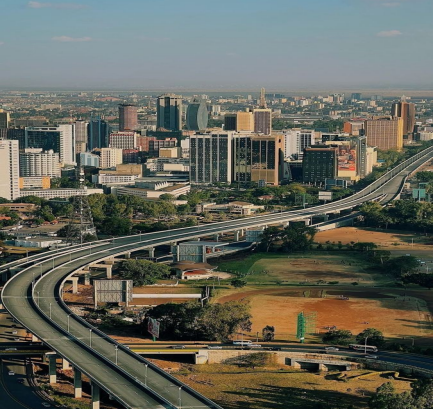
Pin by jo/Westlands Nairobi
