

Every year, nearly one million people die because they lack access to clean cooking solutions. The infrastructure and affordable fuel solutions cannot meet the rising population numbers, especially in the urban centers. Even though continents such as Asia and Latin America have achieved a high transition from traditional fuels to modern energy services, the Sub-Saharan region still lags. A lot of people still use firewood and charcoal to cook. These fuels produce fine particulate matter (PM2.5), which the World Health Organization reports can exceed safe air-quality guidelines by more than 200 times, causing the largest health impacts globally, contributing to millions of deaths each year. In an attempt to protect future generations, we need to address this to ensure sustainable living.
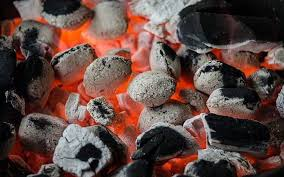
Household Air Pollution (HAP) has increased the risk of miscarriage, stillbirth, and low birth weight in pregnant women. Women and girls being primarily the cooks, are the ones who are mostly affected by pollution from the emissions from burning firewood and charcoal. Women and girls are the ones who ensure the continuation of future generations. Continued exposure to these pollutants threatens maternal health and the well-being of future generations. Respiratory infections in African children under five were 7,642 per 100,000, significantly higher than the global average of 5,941. For children, exposure in the first five years of life is linked to permanent reductions in lung function, stunting, and lower cognitive development. Children are the future, and they ought to be protected.
There have been great innovations trying to solve this issue. The use of electric pressure cookers, biogas, Improved Biomass Stoves (ICS), and fan-driven gasifiers represents a crucial transitional technology for rural populations where liquid fuels or electricity may be unavailable. One notable innovation was KOKO. I’m sure most Kenyans have seen the KOKO cans and the signs on dukas. It shifted over 1.5 million Kenyan households from the use of charcoal and kerosene. I remember my first encounter with KOKO when visiting my aunt in Nairobi during the holidays. At home we usually cooked githeri using charcoal, but my aunt used a stove I had never seen before. It was part of the KOKO system, a combination of bioethanol fuel and modern cookstoves designed to provide a cleaner and more efficient alternative to charcoal. It not only prevented the falling of 90,000 trees and the emission of 18,000 tonnes of Carbon Monoxide annually, but also brought about efficiency. As opposed to the normal gas cylinders that are widely used in urban centers, KOKO was affordable and accessible.
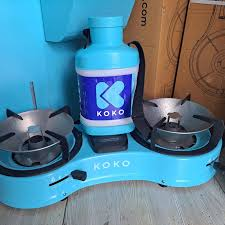
Unfortunately, KOKO filed for bankruptcy early this year. The invention that brought hope had now collapsed. Due to the uncertainty of the Kenyan government in meeting national climate targets, it could not issue the Letter of Authorization (LoA) to KOKO, shutting their primary revenue stream. I know you might be asking yourself, how? Well, carbon credits. Carbon credits allow project developers to monetize the carbon (IV) oxide emissions avoided by switching from traditional to clean fuels. In 2024, approximately 96% of investment in clean cooking went to companies either issuing or about to issue carbon credits. This revenue enables companies to discount the upfront price of a stove by 50% to 90%, making it accessible to those living on less than $2 a day. KOKO required the LoA to ensure that the emissions reductions achieved by them are not double-counted by both the company and the host government. Due to this, experts suggest that carbon-financed ventures are very fragile, especially in the event that policy support is inconsistent. The collapse of KOKO led to households reverting to traditional fuels, which we have seen have adverse effects on their health.
Fuel stacking continues to be a major barrier to the transition from traditional to clean cooking fuels. Many households do not rely on a single cooking fuel but instead combine multiple options depending on availability, affordability, and the type of food being prepared. I can relate to this personally. In many homes, including mine, when gas runs out and has not yet been refilled, households often revert to charcoal or a traditional jiko. This suggests that the transition to clean cooking rarely happens as a complete and immediate shift from traditional fuels to modern energy sources. Instead of expecting households to abandon traditional fuels entirely, policies and innovations should focus on achieving a “cleaner stack.”
A cleaner stack approach encourages households to gradually integrate cleaner technologies while reducing reliance on polluting fuels. For example, specialized tools such as electric pressure cookers (EPCs) can be promoted for energy-intensive foods like beans and cereals, which traditionally require long cooking times and large amounts of charcoal or firewood. At the same time, improved biomass stoves or bioethanol systems can replace the most polluting cooking practices.
Achieving this transition requires more than technology alone. Consistent monitoring, consumer education, and behavior change communication are essential to help households understand the health and economic benefits of cleaner fuels. By supporting gradual adoption rather than demanding an immediate transition, policymakers and innovators can create a more realistic pathway toward universal clean cooking access.
The collapse of KOKO highlights how fragile clean cooking innovations can be when policy support is inconsistent. Yet the need for clean cooking has never been greater. Governments, investors, and innovators must work together to build reliable financing systems and supportive policies. Only then can clean cooking move from a promising innovation to a universal reality.
